
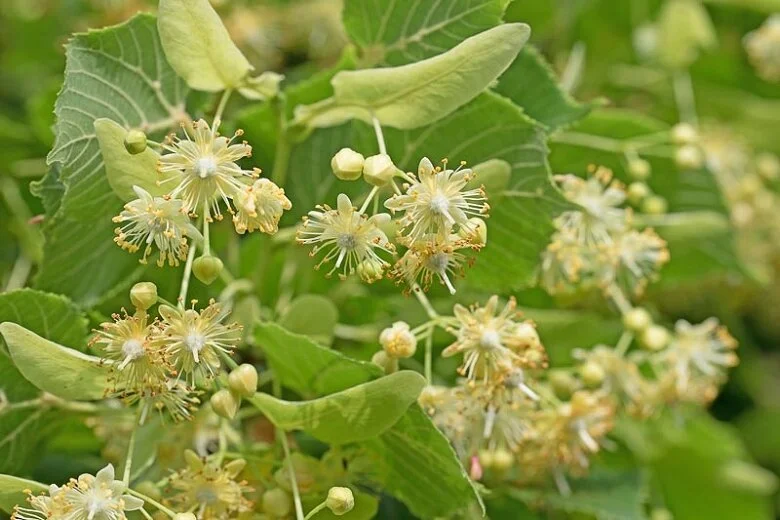
The young leaves are mild tasting and can be eaten raw. They make an excellent salad or sandwich filling. As it is a distant cousin of the Chocolate Tree (Theobroma cacao) it can offer a very acceptable chocolate substitute made from a paste of the ground-up flowers and immature fruit, however this has a short shelf-life which prevented commercial exploitation. A popular herb tea is made from the flowers, it has a sweet, fragrant pleasant flavour.
Land sculptures
Red Deadnettle
Red Deadnettle, also known as Purple Deadnettle or Purple Archangel, bear a superficial resemblance to small stinging nettles, but do not sting. It is found in meadows, hedgerows, woodland edges, roadsides and gardens. Young plants have edible tops and leaves, used in salads or in stir-fry as a spring vegetable. The flowers are nectar rich and are quite sweet.
Listening to the Landscape
As you may know the Forest Farm Peace Garden is inspired by permaculture and one of the twelve principles of permaculture is “Observe and Interact”. In this exercise we are going to build on our observation skills. We are not asking “What can I do with this land?” as we do many times is the garden, but we are asking “What is this land telling me?”
Oregon Grape
Mahonias are native to the temperate woodlands of North America, Eastern Asia and the Himalayas. The most commonly cultivated are M. aquifolium and M. repens (N.America) and the M. x lomariifolia hybrids (Asian). M. repens is commonly used in municipal planting such as supermarket carparks, whilst the other two are common in parks and gardens in the UK. Find out more about identifying this plant and it’s cultural uses…